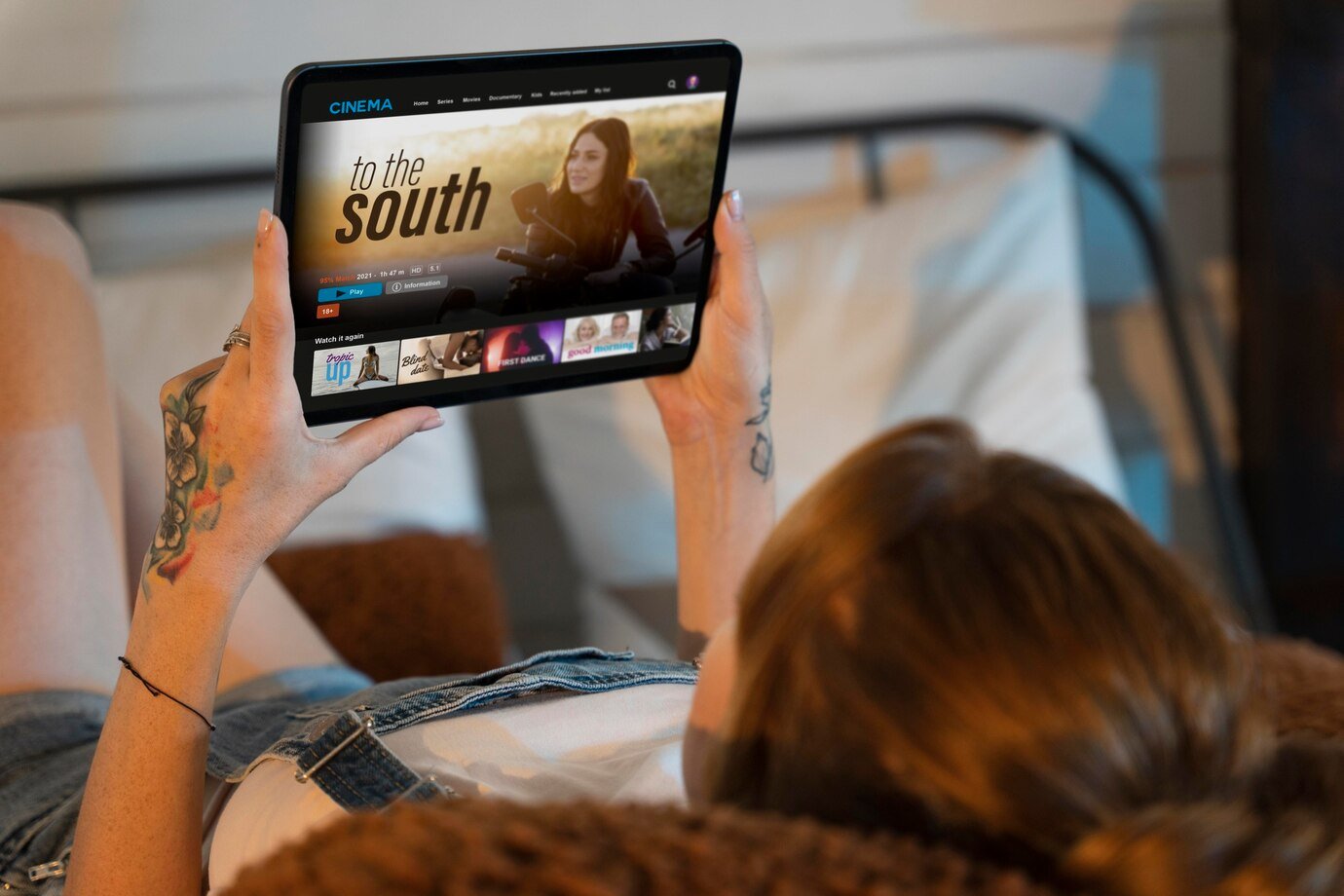
Rise Streaming Platforms — Over the last decade, streaming platforms have revolutionized the way we consume entertainment, reshaping the entire landscape of the industry. Gone are the days when audiences had to tune in at a specific time to catch their favorite TV shows or visit theaters to see the latest movies. With services like Netflix, Disney+, Hulu, and HBO Max, entertainment is now available at the click of a button, anytime and anywhere.
Streaming platforms have become cultural powerhouses, leading to significant changes in content creation, distribution, and how we experience entertainment. Here’s a closer look at how streaming has transformed the industry and what that means for the future.
Understanding Rise Streaming Platforms
1. The Shift from Traditional TV and Cinema
Before the rise of streaming platforms, traditional television and cinema ruled the entertainment world. Viewers were tied to cable subscriptions, and catching a new episode of their favorite show often meant planning around TV schedules. Movies, on the other hand, were released in theaters, and box office performance was the ultimate measure of success.
Streaming services have completely disrupted this model. Now, audiences can watch what they want, when they want, without the constraints of TV time slots or theater showtimes. This “on-demand” nature of streaming has created a new era of convenience, where binge-watching entire seasons of a show is the norm and exclusive content can be enjoyed from the comfort of home.
Key Facts and Analysis
Cord-Cutting Phenomenon: One of the most significant effects of the streaming boom has been the mass exodus from cable TV subscriptions. Known as “cord-cutting,” this trend has led to millions of households canceling traditional cable plans in favor of streaming services, which offer more flexibility and affordability. This has put immense pressure on cable networks to adapt or risk becoming obsolete.
Impact on Cinema: Streaming has also changed how films are released and consumed. While theaters are still important, especially for blockbuster movies, more studios are opting for direct-to-streaming releases. In fact, during the COVID-19 pandemic, many films that were meant for theatrical releases premiered on platforms like Netflix and Disney+, sparking debate over the future of movie theaters in a streaming-dominated world.
2. Original Content: The Streaming Wars
Streaming platforms have gone from merely distributing existing content to becoming major producers of original programming. Netflix, for example, launched its first original series, House of Cards, in 2013. Since then, the company—and its competitors—have heavily invested in creating exclusive shows and movies to attract subscribers.
This has led to the rise of the “streaming wars,” where platforms compete for the most subscribers by offering exclusive content you can’t find anywhere else. Major hits like Stranger Things (Netflix), The Mandalorian (Disney+), The Handmaid’s Tale (Hulu), and Game of Thrones (HBO Max) have not only drawn massive viewership but have also redefined what successful television looks like.
Quality Over Quantity: With more resources going into content production, many streaming platforms have embraced the mantra of “quality over quantity.” Instead of the traditional 22-episode seasons found on network TV, streaming shows often consist of shorter, tightly written seasons. This approach allows for better storytelling, higher production value, and more memorable performances—elements that often resonate better with modern audiences.
Creative Freedom: Streaming platforms also offer more creative freedom to filmmakers and showrunners. Without the restrictions of network censors and ratings pressures, creators can experiment with different formats, darker themes, and unconventional storytelling techniques. Shows like Black Mirror and The Witcher have pushed boundaries in ways that might not have been possible on traditional television.
3. Global Reach and Cultural Influence
Another way streaming platforms have changed the entertainment industry is by expanding the global reach of content. Unlike traditional TV, which is often regionally restricted, streaming services operate on a global scale. A show produced in South Korea, like Squid Game, can become a worldwide phenomenon overnight, thanks to the accessibility of these platforms.
International Content and Cultural Exchange: Streaming has also allowed for a greater diversity of content. Platforms like Netflix have invested heavily in international programming, bringing global stories to mainstream audiences. Whether it’s Spanish-language thrillers like Money Heist, French dramas like Lupin, or Indian web series like Sacred Games, streaming platforms have made it easier than ever to access international entertainment. This has led to a cultural exchange where viewers can discover stories from different parts of the world, broadening their perspectives.
Subtitles and Dubbing: To cater to global audiences, streaming services have prioritized offering multiple language options for subtitles and dubbing. This makes foreign shows and films more accessible to wider audiences, further expanding their impact and cultural significance.
4. The Binge-Watching Phenomenon
One of the most defining aspects of streaming platforms is the ability to binge-watch content. Rather than releasing episodes weekly, many streaming services release entire seasons at once, allowing viewers to watch episodes back-to-back without waiting. This has fundamentally changed how stories are consumed and experienced.
The Psychology of Binge-Watching: Binge-watching has become a cultural trend, often turning shows into massive events. Platforms use this to their advantage by promoting “bingeable” series that encourage viewers to watch multiple episodes in one sitting. This creates deeper emotional investment in characters and storylines, leading to more intense viewer engagement.
Cultural Conversations: Binge-watching also fuels social media conversations. Shows like The Queen’s Gambit or Tiger King can dominate online discussions and news cycles for weeks, driven by viewers’ ability to watch entire seasons in a short time frame. This not only boosts a show’s popularity but also turns it into a cultural event that influences fashion, language, and trends.
5. The Future of Streaming: What’s Next?
As more streaming platforms enter the market, competition continues to intensify. We’re already seeing a shift where consumers must decide between an increasing number of services, from the established giants like Netflix and Disney+ to newer entrants like Apple TV+ and Peacock.
Fragmentation and Bundling: One potential challenge for the future of streaming is the fragmentation of content across multiple platforms. With so many streaming services offering exclusive content, consumers are finding it harder to access everything they want without subscribing to multiple platforms. In response, some companies are starting to bundle services, much like cable TV packages, offering combined access to different streaming networks for a single price.
Interactive and Immersive Content: As technology evolves, streaming platforms are experimenting with new forms of interactive and immersive content. Netflix’s Black Mirror: Bandersnatch introduced a “choose your own adventure” format, where viewers could make choices that affected the storyline. Virtual reality (VR) and augmented reality (AR) may also play a role in the future of streaming, offering more interactive ways to experience content.
Sustainability of Streaming: Lastly, the sustainability of streaming is being scrutinized. With so much data being consumed globally, the environmental impact of streaming (data centers, energy use, etc.) is an emerging conversation, prompting platforms to explore greener technologies and strategies.
Final Thoughts: A New Era of Entertainment
Streaming platforms have not only disrupted the traditional entertainment industry but also created new opportunities for storytelling, creativity, and global reach. As they continue to grow and innovate, the way we experience entertainment will continue to evolve. With more personalized content, international programming, and technological advancements, the future of streaming looks bright—and it’s changing the industry forever.
Related Articles
- Private Jet Charter and Crisis Evacuation Services in Dubai: Complete 2026 Guide
- UAE Crisis Evacuation Guide 2026: How to Get Your Family Out Safely
- Emergency Evacuation Services in Dubai and UAE: What Expats Need to Know in 2026
- BoostenX: The Singapore AI Marketing Startup Competing with HubSpot and Marketo
For more information, visit Wikipedia: Finance.
Frequently Asked Questions
What is Rise Streaming Platforms?
Rise Streaming Platforms is an important topic for investors and professionals. Understanding it fully requires careful research and analysis of current market conditions.
Why does Rise Streaming Platforms matter in 2026?
In 2026, rise streaming platforms remains highly relevant due to evolving market dynamics, regulatory changes, and growing investor interest in this area.
Where can I learn more about Rise Streaming Platforms?
We recommend consulting reputable financial sources and conducting thorough due diligence before making any investment decisions.